Is Wholesaling Houses Legit? An In-Depth Analysis
As interest in wholesaling houses grows, it's important to examine whether this approach is legitimate. This article aims to shed light on the legality and ethical considerations of wholesaling in real estate. By understanding the intricacies of wholesaling, you can make informed decisions about engaging in this strategy. The discussion will provide insights into conducting wholesaling activities lawfully and ethically. Let's dive into the world of wholesaling houses to determine its legitimacy in the real estate market.
Understanding Wholesaling Houses
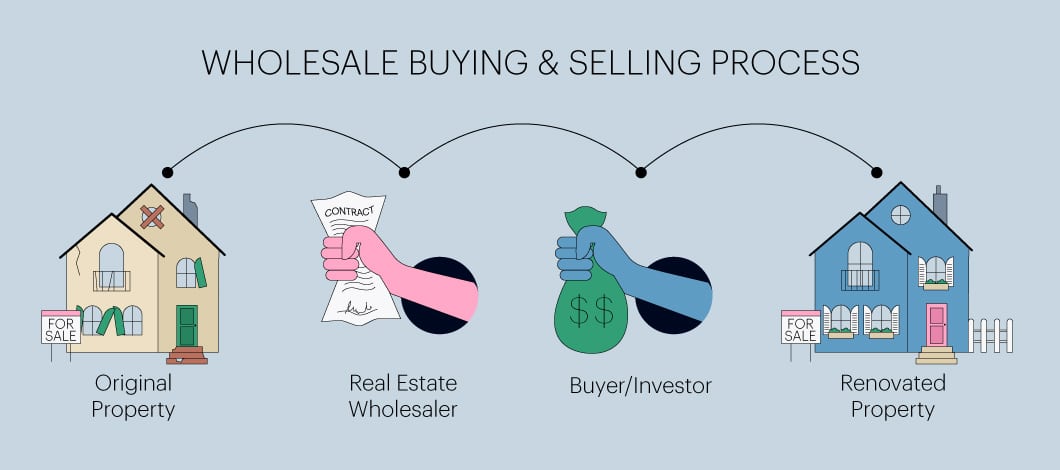
In real estate wholesaling, you act as an intermediary between a motivated seller and an interested buyer. The wholesaler does not intend to purchase the property but instead sells their contractual rights for a profit. It's an attractive method for those looking to enter real estate investing without significant funds. Knowledge of the mechanics of wholesaling is essential for evaluating its legal standing. It's important to distinguish wholesaling from other real estate activities to avoid misconceptions. Understanding the core concepts is the first step in assessing the legal aspects. When done correctly, wholesaling aligns with real estate laws and regulations.
The Legal Framework of Real Estate Wholesaling
A common question is if wholesaling constitutes unlicensed real estate brokerage. Holding an equitable interest through a contract permits you to transfer your rights. It's essential to be transparent about your intent to assign the contract rather than sell the property. Some states have specific regulations that limit or govern wholesaling activities. Well-drafted contracts protect your interests and uphold the legality of the transaction. An attorney can provide guidance on compliance and help prevent potential legal pitfalls. Following the law safeguards your business and reinforces the legitimacy of wholesaling.
The Ethics of Wholesaling Houses
Beyond legality, ethical practices are essential in wholesaling to maintain integrity and reputation. There are concerns that wholesalers may exploit sellers' situations for personal gain. Open communication reduces misunderstandings and promotes ethical dealings. Educating sellers about the process protects them and reinforces ethical standards. Integrity requires that you only commit to what you can deliver. Ethical behavior contributes to a positive image of wholesaling in the real estate market. Adherence to ethical principles reinforces the legitimacy and acceptance of wholesaling.
Clarifying Misunderstandings About Real Estate Wholesaling
Some believe that wholesaling is inherently deceptive or against the law. As discussed, wholesaling is legal when conducted properly with the right contracts and disclosures. Many think that without a license, one cannot engage in wholesaling activities. Misrepresenting oneself as an agent is illegal, but assigning contracts as a principal party is permissible. Some assume that wholesaling is easy money without risks or challenges. By educating yourself and others, you can overcome these misconceptions and approach wholesaling effectively. Clarifying these misunderstandings contributes to the overall acceptance and legitimacy of wholesaling.
Best Practices for Legitimate Wholesaling
Proper documentation is the foundation of legitimate wholesaling. Open communication ensures that sellers and buyers understand your involvement. Stay informed about local laws and regulations affecting wholesaling in your area. Professional guidance supports lawful and ethical wholesaling practices. Fairness and reliability are key components of legitimate wholesaling. Avoid making unrealistic promises or misrepresenting properties or your capabilities. Adherence to guidelines solidifies the lawful nature of your wholesaling.
Real-Life Instances Where Wholesaling Houses Is Legitimate
There are numerous examples of wholesalers who operate legitimately and profitably. Their work supports neighborhood improvement and economic development. Wholesalers who maintain transparency and fairness often receive repeat business and referrals. Collaboration with licensed professionals enhances legitimacy and reach. Case studies show that wholesaling can be a win-win for sellers needing quick solutions and investors seeking opportunities. Evidence from the field supports wholesaling as a credible investment strategy. Case studies provide valuable insights for aspiring wholesalers.
Wrapping Up the Legitimacy of Wholesaling Houses
To wrap up, wholesaling's legitimacy depends on adherence to laws and ethical standards. Understanding the legal requirements and maintaining transparency are key to legitimacy. Awareness and education mitigate risks and real estate investment software enhance legitimacy. Adopting guidelines ensures your activities are respected and lawful. Legitimate wholesaling can be a valuable addition to your investment portfolio. Engaging with others in the field provides guidance and insight. By upholding legality and ethics, you contribute positively to the real estate industry.
To learn more about real estate wholesaling, visit: best real estate investor software